
☰
Not located in Chatham, New Hampshire?
Search to find your local boat removal number.
Boat Salvage Services in Chatham, New Hampshire - Professional Boat Removal
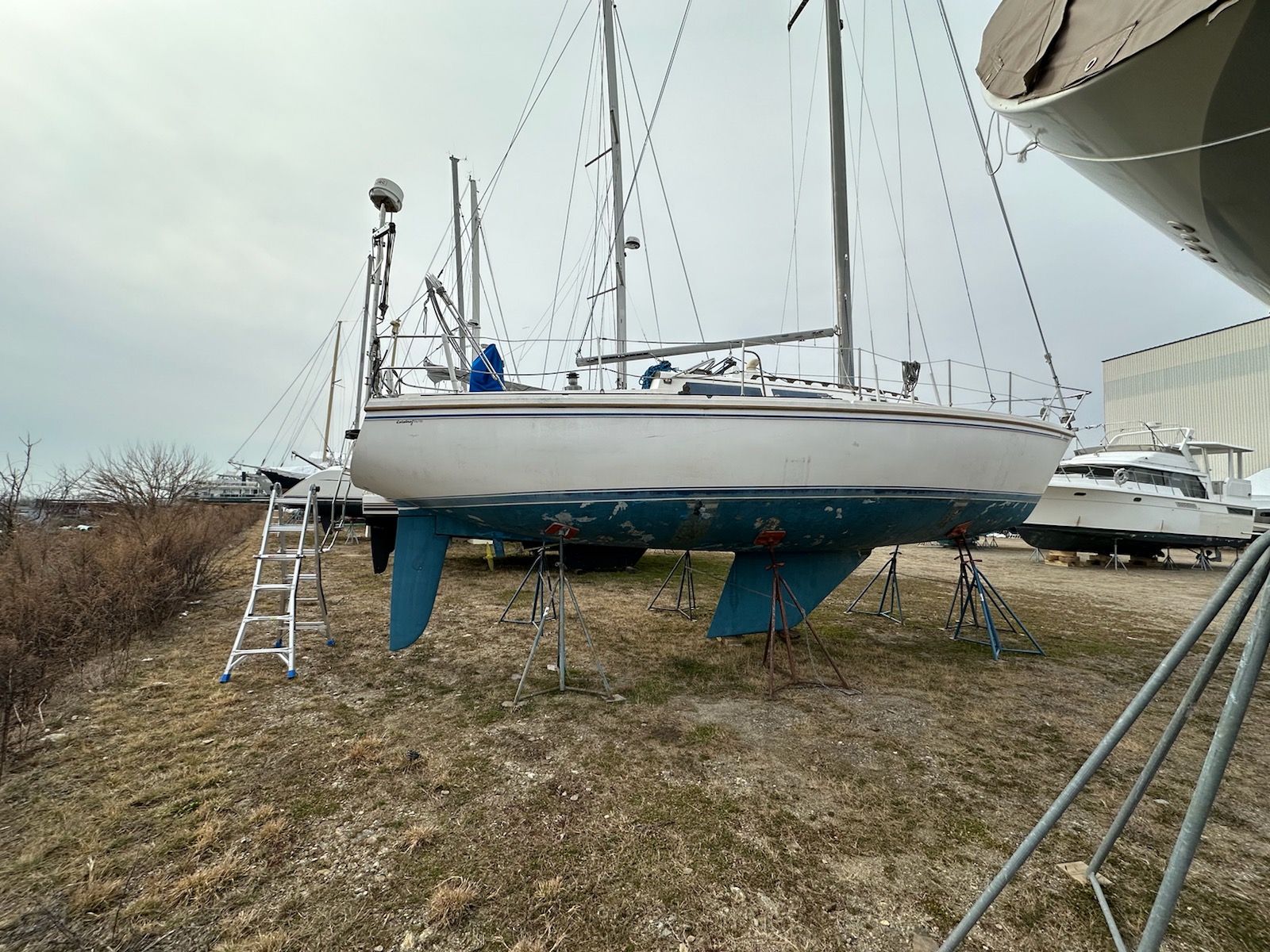
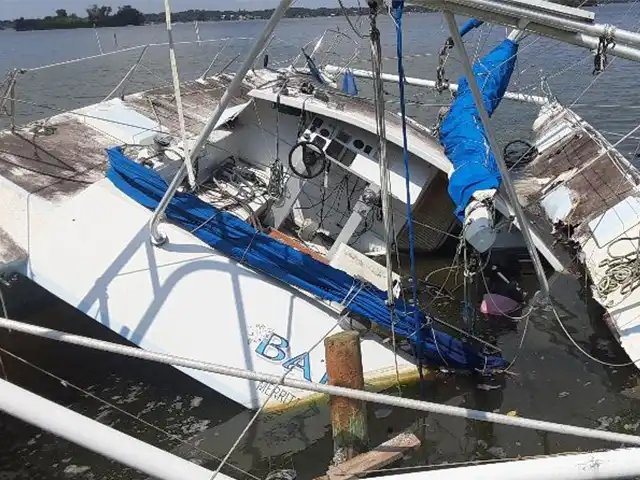
U.S. Boat Removal provides specialized salvage in Chatham, NH, for wrecked or stranded vessels, including catamarans, houseboats, tugboats, pontoons, and fishing boats.
Across Carroll County, our specialists assist homeowners, boat owners, and marinas with retrieval and stabilization of vessels in accidents, storms, or emergencies.
Hazardous fuel and oils from a grounded or sunken boat can spill into Carroll County waters, creating environmental damage to any nearby property and nature. It is important that prompt action is taken with any boat salvage project.
Backed by nearly two decades of marine recovery knowledge, our staff uses proper equipment to ensure salvage is safe, simple, and protective of your property.
Contact us today to schedule your Chatham, NH boat salvage service. Book online for a fast response and ask about our other marine removal solutions for unwanted or abandoned vessels.
Why Choose Our Boat Salvage Services in Chatham, New Hampshire?
- Experienced Team: From start to finish, our team uses decades of experience and hands-on skill to ensure safe, responsible project management.
- Advanced Equipment: We are fully equipped with flotation bags, cranes, and the right tools to handle any vessels that are sunken or submerged.
- Environmental Compliance: We follow environmental requirements on every salvage project, leaving nothing harmful behind and keeping the environment safe.
- Comprehensive Solutions: One call is all it takes because we provide assessment, lifting, transport, and legal disposal.
- Emergency Services Available: Time sensitive vessel emergencies are our specialty, whether the boat is actively sinking or already sunken.
Looking for a Boat Removal instead : Looking for standard boat removal in Chatham?
Visit our Boat Removal in Chatham service page.
Call Us Today for Boat Salvage Services in Chatham, New Hampshire.
Speak to a live person today about your boat salvage needs.
Pricing is based on weight, size, condition, and accessibility.
Business Hours: Mon-Sat: 7:30AM - 9PM | Sunday: 8:30AM - 5PM EST.
Give us a call or book online quickly and easily!

Our Boat Salvage Process
- Assessment: Evaluating the condition of the boat and the area comes first, then we choose equipment, and then we outline a safe plan.
- Lifting and Removal: Using airbags, lift bags, cranes, or flotation devices, our boat salvage staff stabilizes the boat to prevent further sinking or movement. We assess all the project parameters such as boat conditions, size, and water depth before we start to lift the boat.
- Transport: Once the boat is recovered and secured, we transport it for lawful destruction and safe disposal.
- Eco-Friendly Disposal: We make certain that hazardous materials are managed the right way ensuring that we minimize harm to the environment.
Types of Boats We Salvage
- ✓ Sunken Boats
- ✓ Wrecked Boats
- ✓ Motorboats
- ✓ Sailboats
- ✓ Fishing Boats
- ✓ Personal Watercraft (PWC)
- ✓ Houseboats
- ✓ Yachts
From the smallest watercraft to the largest ships, our Chatham, NH salvage team manages them with professionalism.
US Boat Removal and It's Crews will not accept any request to attempt to recover any of these vessels with the intent of salvage or recovery. Our services are limited to the removal of these vessels from the premises, while minimizing impact on the environment and not the vessels themselves.
Additional Services
- Boat Towing: Besides boat salvage, we specialize in towing boats from areas where accessing it would be difficult.
- Boat Recycling: We repurpose any materials from boats that are still usable, minimizing waste whenever possible.
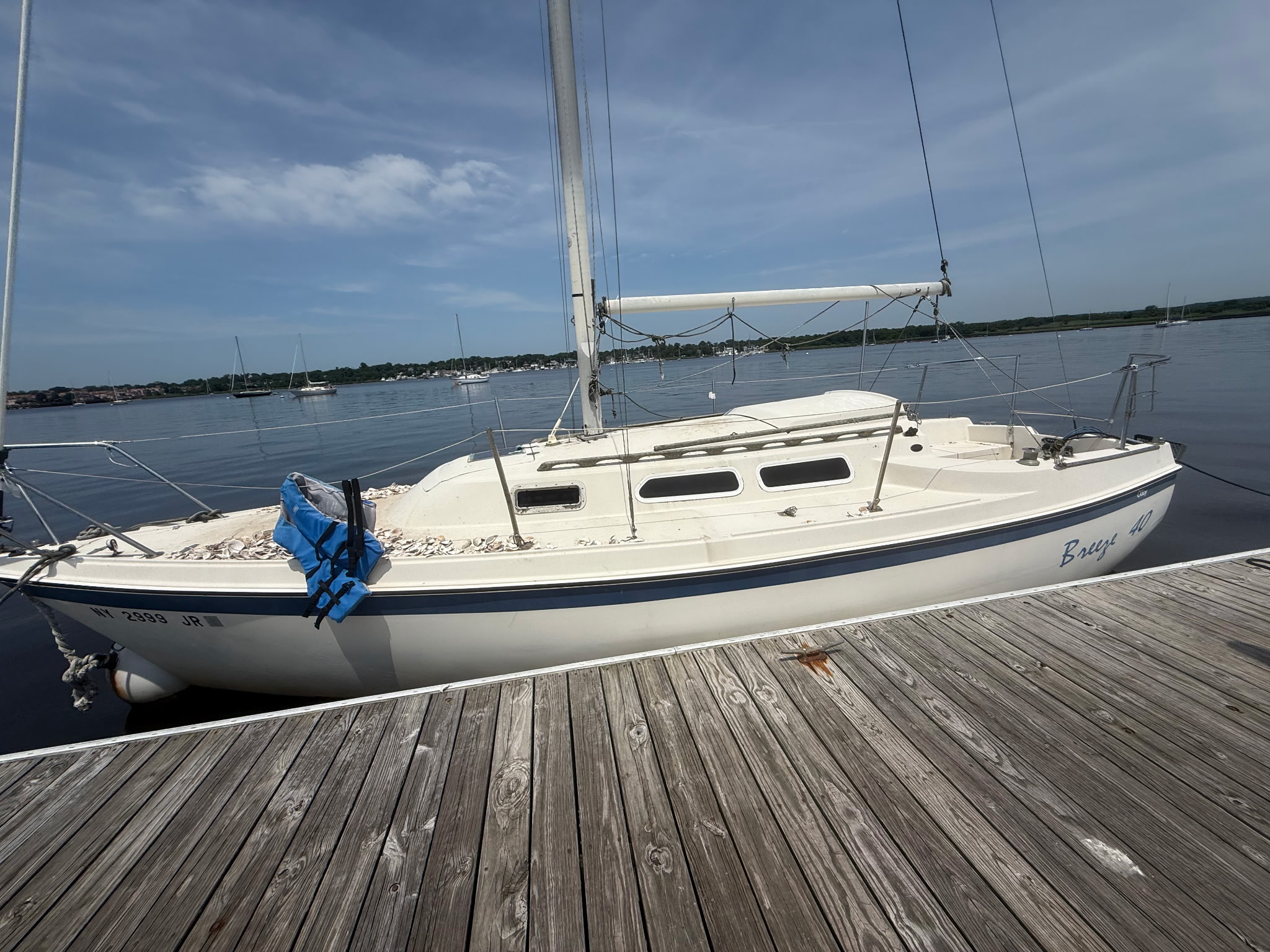
- Abandoned Boat Removal: If you have an abandoned boat problem, we offer legal disposal services that meet county standards, no title required.
US Boat Removal and It's Crews will not accept any request to attempt to recover any of these vessels with the intent of salvage or recovery. Our services are limited to the removal of these vessels from the premises, while minimizing impact on the environment and not the vessels themselves.
Need a Boat Salvaged in Chatham?
Get a Free Estimate TodayFrequently Asked Questions About
Boat Removal in Chatham
Boat Removal in Chatham
Yes, we have the skills and equipment to remove boats from even the most inaccessible places.
Yes, we have the expertise to safely remove boats with severe structural damage, following all required safety procedures.
Disposing of a boat yourself can be challenging due to its size and hazardous materials. It's best to hire a professional crew to handle the process safely and efficiently.
Yes, our priority is to ensure eco-friendly boat removal, emphasizing recycling and proper hazardous material management.
It's not necessary, but it can help. We're able to set up everything in advance to make the process go smoothly.
Yes, U.S. Boat Removal provides services across the entire United States.
The essential documents include the boat's title and registration. For boats over 38 feet and sailboats, coast guard registration is also required.
Yes, we can remove boats from anywhere on land, such as backyards, driveways, and storage facilities.