
☰
Not located in Slaughter Beach, Delaware?
Search to find your local boat removal number.
Boat Salvage Services in Slaughter Beach, Delaware - Professional Boat Removal
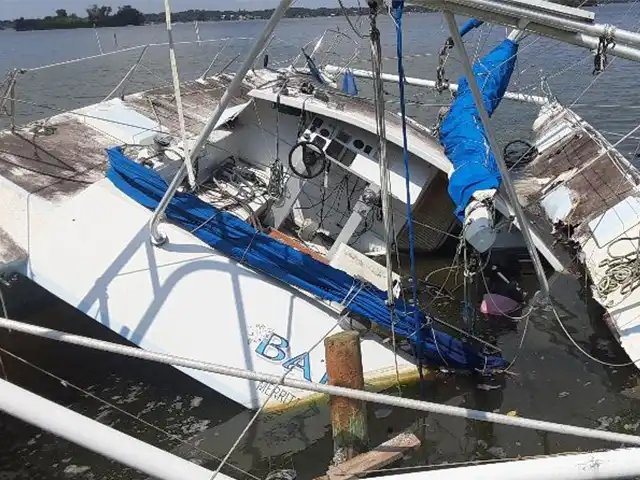
Boat owners in Slaughter Beach, DE rely on U.S. Boat Removal for salvaging hazardous vessels, capsized catamarans, derelict tugboats, and leaking houseboats.
Serving all of Sussex County, our technicians help homeowners, marinas, and boat owners stabilize vessels when accidents, storms, or other unexpected events occur.
The release of hazardous fuel and oils from grounded or partially sunken boats places property and the environment across Sussex County in jeopardy, requiring fast, expert salvage.
Backed by nearly two decades of marine recovery knowledge, our staff uses proper equipment to ensure salvage is safe, simple, and protective of your property.
Get in touch now for professional Slaughter Beach boat salvage services experts. Book online for a prompt reply from a real person on our team, We have a full list of removal options.
Why Choose Our Boat Salvage Services in Slaughter Beach, Delaware?
- Experienced Team: Decades of combined experience allow our company and crews to complete every job safely and responsibly, with true hands-on expertise.
- Advanced Equipment: We are fully equipped with flotation bags, cranes, and the right tools to handle any vessels that are sunken or submerged.
- Environmental Compliance: We keep the environment safe by performing salvage jobs while adhering to all laws and environmental requirements.
- Comprehensive Solutions: We manage every step of the process including assessment, lifting, transport, and disposal, and we are just one phone call away.
- Emergency Services Available: For time sensitive emergencies involving boats, from sinking to fully sunken, we are ready to help.
Looking for a Boat Removal instead : Looking for standard boat removal in Slaughter Beach?
Visit our Boat Removal in Slaughter Beach service page.
Call Us Today for Boat Salvage Services in Slaughter Beach, Delaware.
Speak to a live person today about your boat salvage needs.
Pricing is based on weight, size, condition, and accessibility.
Business Hours: Mon-Sat: 7:30AM - 9PM | Sunday: 8:30AM - 5PM EST.
Give us a call or book online quickly and easily!

Our Boat Salvage Process
- Assessment: Evaluating the condition of the boat and the area comes first, then we choose equipment, and then we outline a safe plan.
- Lifting and Removal: Our team prioritizes lifting ships and vessels slowly. We raise the boat gradually to reduce stress on the hull and rigging.
- Transport: After recovery, we make sure the vessel is tightly strapped and properly secured before hauling it away for destruction.
- Eco-Friendly Disposal: We follow strict guidelines to dispose of hazardous materials and other debris properly, protecting our environment in the process.
Types of Boats We Salvage
- ✓ Sunken Boats
- ✓ Wrecked Boats
- ✓ Motorboats
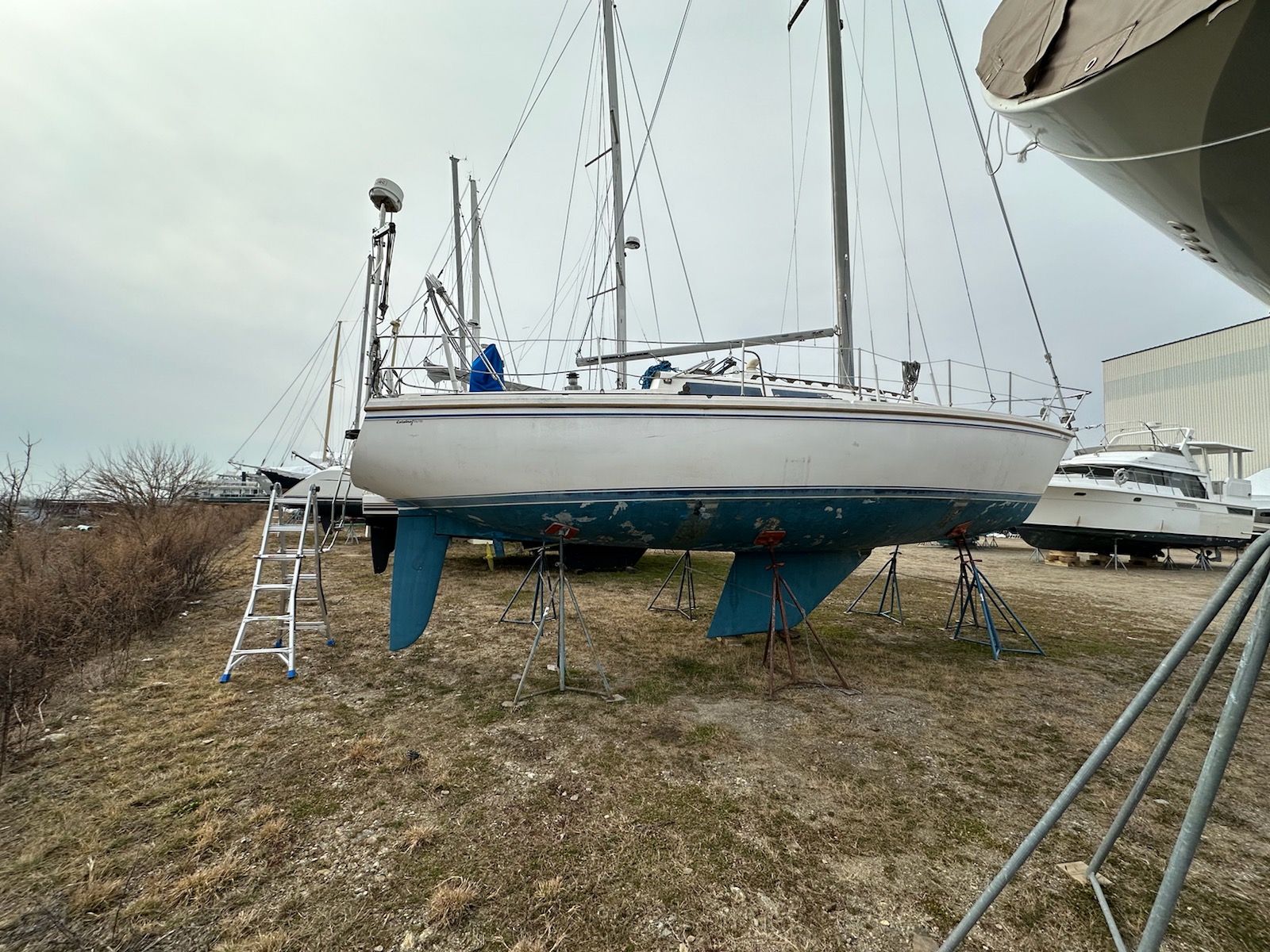
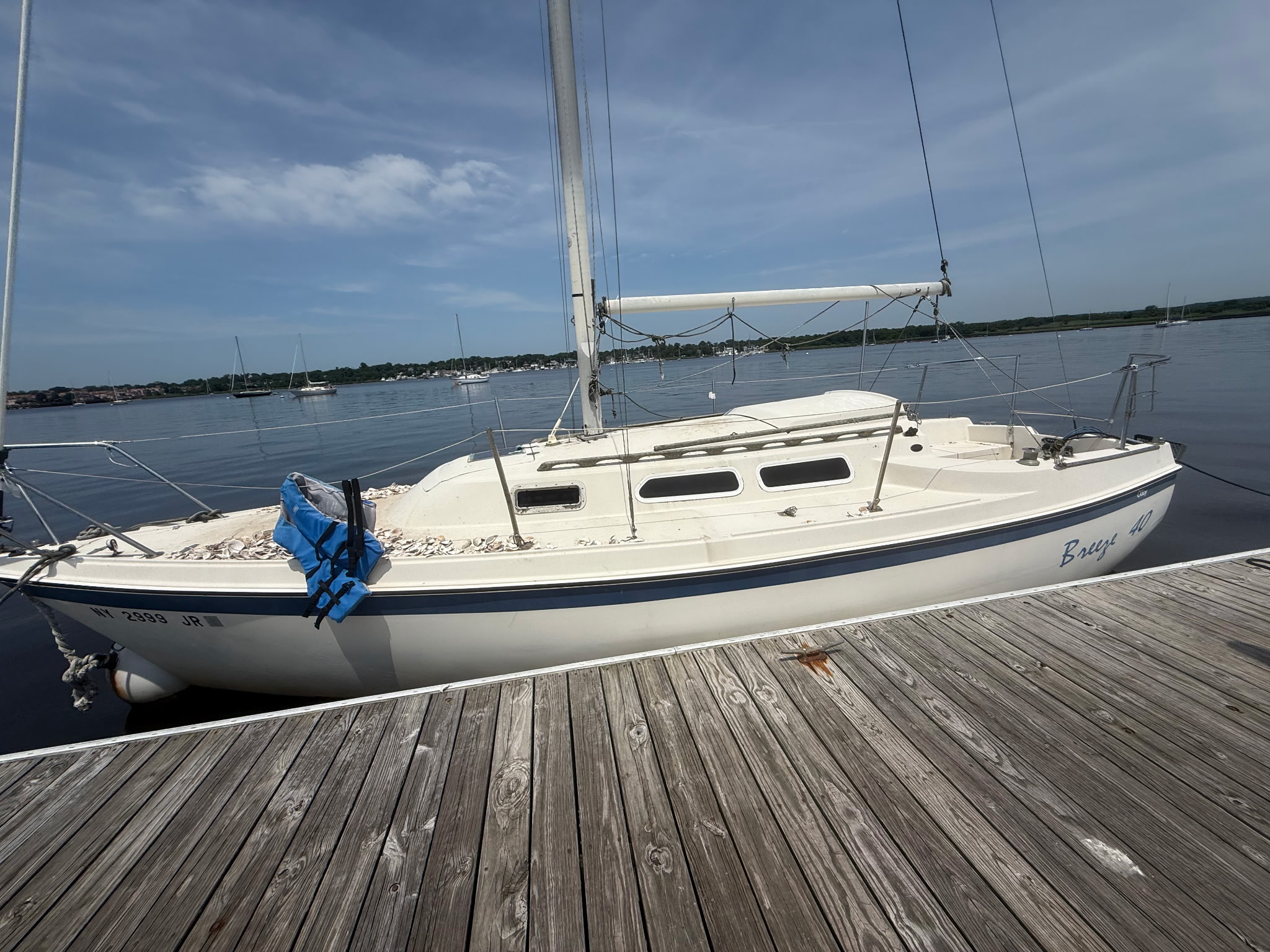
- ✓ Sailboats
- ✓ Fishing Boats
- ✓ Personal Watercraft (PWC)
- ✓ Houseboats
- ✓ Yachts
In Slaughter Beach, DE, our salvage services cover every type of vessel, whether small, large, maintained, or damaged.
US Boat Removal and It's Crews will not accept any request to attempt to recover any of these vessels with the intent of salvage or recovery. Our services are limited to the removal of these vessels from the premises, while minimizing impact on the environment and not the vessels themselves.
Additional Services
- Boat Towing: Alongside boat salvage, we provide boat towing to help relocate your vessel from tough or dangerous spots.
- Boat Recycling: By giving salvaged boat components a second life, we keep materials out of landfills.
- Abandoned Boat Removal: We can help with abandoned boats by providing legal disposal services in compliance with county requirements, with or without a title.
US Boat Removal and It's Crews will not accept any request to attempt to recover any of these vessels with the intent of salvage or recovery. Our services are limited to the removal of these vessels from the premises, while minimizing impact on the environment and not the vessels themselves.
Need a Boat Salvaged in Slaughter Beach?
Get a Free Estimate TodayFrequently Asked Questions About
Boat Removal in Slaughter Beach
Boat Removal in Slaughter Beach
While its possible, boat disposal involves dealing with hazardous materials and large parts, requiring a professional team for safe and proper removal.
Removal time depends on factors such as the boat's size, condition, and location. It can take anywhere from a few hours to an entire day.
We recycle parts, donate when possible, and dispose of boats responsibly to minimize environmental impact.
Absolutely, we are equipped and experienced in removing boats that are partially submerged.
We adhere to environmental regulations to handle and dispose of hazardous materials securely and correctly.
You generally need the title and registration documents. For boats over 38 feet and sailboats, you must also provide a coast guard registration.
Yes, we have the necessary expertise and equipment to remove boats from docks, marinas, and other waterfront locations.